
Table of Contents
- How Compression Gear Works During and After Exercise
- Compression Clothing Circulation Benefits Explained
- Compression Gear for Muscle Soreness and DOMS Relief
- Benefits of Compression Gear for Recovery: Types and Use Cases
- How Long to Wear Compression Gear for Best Results
- Fabric Technology, Fit, and What to Look For
- Contraindications, Safety, and When to Skip Compression Gear
- Compression Gear Recovery: Pairing It With Other Recovery Tools
Last Updated: August 14, 2026
The benefits of compression gear for recovery extend far beyond comfort. Below, we break down how compression works, which types suit which needs, what the science supports, and where most guides fall short, particularly around fit, fabric, and safety.
How Compression Gear Works During and After Exercise
Compression garments apply graduated mechanical pressure to soft tissue, influencing how blood, lymph fluid, and metabolic waste move through the body. The effect is active, not passive.
Pressure Gradients and Venous Return
Venous return is the rate at which blood travels back to the heart from the extremities. Compression gear applies a pressure gradient, tighter at the distal end (ankle, wrist) and progressively looser upward, which assists this flow against gravity. The result is more efficient circulatory function during and after exercise, with reduced venous pooling, less swelling, and faster return to baseline physiology.
According to research published in the Journal of Strength and Conditioning Research, graduated compression applied after exercise is associated with measurable reductions in perceived muscle soreness and improved circulation markers compared to no compression.
Muscle Stabilization and Reduced Oscillation
Every footfall, jump, or heavy lift creates vibration through muscle tissue, muscle oscillation, the micro-movement of muscle fibers with each impact. Sustained oscillation contributes to micro-damage and accelerates fatigue. Compression garments dampen this vibration by holding muscle tissue closer to the bone, reducing intramuscular pressure variation with each movement cycle. The practical result: less muscle fatigue during the session and less tissue damage requiring repair afterward.
Compression Clothing Circulation Benefits Explained
Compression clothing circulation benefits are most pronounced in the hours immediately following intense exercise. During this window, the body clears lactic acid, manages inflammation, and begins tissue repair. Compression gear supports all three processes simultaneously.
The pressure applied to surface veins encourages vasoconstriction, redirecting blood flow to deeper vessels where oxygen delivery is more efficient. This improved oxygen delivery to recovering muscle tissue accelerates metabolic waste clearance. Many athletes report that legs feel less "heavy" the morning after a hard run when they've worn compression tights during recovery.
Edema reduction is another measurable benefit. Swelling after intense exercise occurs when fluid escapes capillaries into surrounding tissue. Compression limits this fluid migration, keeping swelling localized and manageable. This is why compression is standard practice in clinical settings for post-surgical swelling and translates effectively to athletic recovery.
Compression Gear for Muscle Soreness and DOMS Relief
Delayed onset muscle soreness (DOMS) is the stiffness and tenderness that peaks 24 to 72 hours after unfamiliar or intense exercise. It's driven by microscopic damage to muscle fibers and the subsequent inflammatory response during tissue repair.
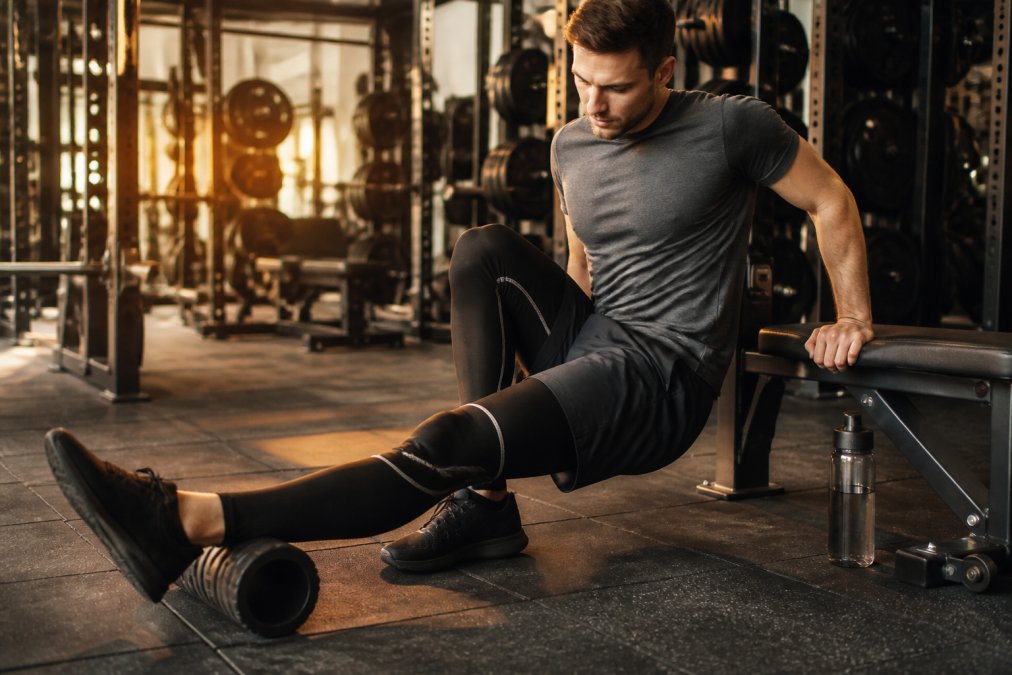
Compression gear for muscle soreness works through two mechanisms: limiting the initial inflammatory cascade and supporting circulation during the repair phase. By reducing swelling and fluid accumulation in damaged tissue, compression keeps the local environment more favorable for cellular repair processes. Many users find that DOMS is noticeably less severe when compression is worn consistently in the 24 hours following a hard session.
Research from the American College of Sports Medicine indicates that compression garments show consistent benefits for perceived soreness and recovery time, though the magnitude varies between individuals. Proprioception is an underappreciated benefit: compression garments increase sensory feedback from the skin and underlying tissue, improving the body's awareness of limb position and reducing compensatory movement patterns during recovery.
Benefits of Compression Gear for Recovery: Types and Use Cases
Not all compression gear serves the same purpose. Choosing the right type depends on the training stimulus, body part involved, and recovery goal.
| Type | Best For | Typical Use Case |
|---|---|---|
| Compression socks/sleeves | Calf and ankle recovery, travel | Runners, post-leg day, long flights |
| Compression tights/leggings | Full leg recovery, circulation | Cycling, weightlifting, general recovery |
| Knee braces/sleeves | Joint stability, targeted support | Injury prevention, return to sport |
Compression Socks and Sleeves
Compression socks and calf sleeves are the most accessible entry point into compression therapy. They apply consistent graduated pressure from the foot upward, directly supporting venous return from the most gravity-dependent part of the body. Runners benefit substantially from compression socks during and after long efforts, where calf fatigue and swelling are common limiting factors.
A common mistake is buying socks that are too loose. Socks that don't apply genuine graduated pressure deliver almost none of the circulatory benefit. Fit accuracy matters more here than with almost any other piece of athletic gear.
Compression Tights and Leggings
Full-length compression tights extend the pressure gradient across the entire leg, supporting recovery from the ankle to the hip. For lower-body training, squats, deadlifts, cycling, this full coverage addresses the broader muscle groups that experience the most stress.
The Aero Athletics Leggings with Pockets for Women offer high-waisted compression with tummy control, making them practical for both active recovery sessions and casual wear. The high waistband adds core support, useful during yoga or light movement on recovery days.

Knee Braces and Targeted Joint Support
Joint-specific compression serves a different function from full-limb garments. A compression knee sleeve stabilizes the joint, reduces swelling around the patellar tendon, and provides proprioceptive feedback that improves movement quality during both exercise and recovery.
The Aero Athletics Sports Knee Brace with Side Spring Stabilizers and Patella Gel Pads provides anatomically contoured support with a silicone patella gel pad, well-suited for meniscus irritation, arthritis, or patellar tendon pain. For those needing a more structured option, the Knee Sleeve Breathable Compression Knee Brace features 360-degree adjustable double straps for customized fit.


How Long to Wear Compression Gear for Best Results
How long to wear compression gear depends on the goal: active performance support, immediate post-exercise recovery, or extended therapeutic recovery.
During exercise, wearing compression for the full duration is appropriate. The muscle stabilization and oscillation-dampening effects are continuous throughout the workout.
For post-exercise recovery, many sports medicine practitioners suggest wearing compression for two to four hours following training. This window captures the most acute phase of the inflammatory response and circulatory demand. Wearing compression overnight is generally not recommended for healthy athletes; the body's circulation functions well during sleep without mechanical assistance, and prolonged pressure can occasionally cause discomfort.
For injury management or chronic conditions like arthritis, the appropriate duration should be guided by a healthcare provider.
Fabric Technology, Fit, and What to Look For
Most guides skip this section entirely. That's a mistake, because a compression garment that doesn't fit correctly or uses the wrong fabric construction delivers almost none of the benefits described above.
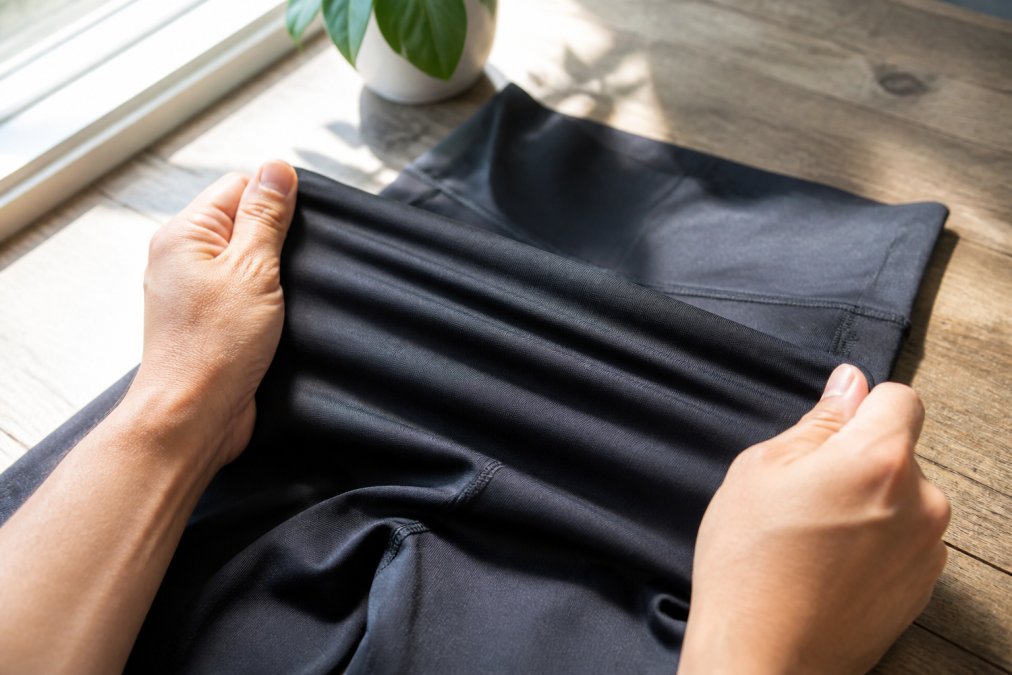
Elasticity and recovery are the two material properties that matter most. The fabric must apply consistent pressure across the range of motion without losing tension over time. Cheaper garments use lower-grade elastic blends that degrade quickly with washing, losing their compression gradient within weeks. Higher-quality construction uses nylon-spandex or polyester-spandex blends with reinforced seaming that maintains pressure across hundreds of wash cycles.
Moisture management is critical. Compression garments sit close to the skin, and if they trap heat and sweat, they become uncomfortable and create conditions for skin irritation. Fabrics with wicking properties pull moisture away from the skin surface, keeping the microclimate dry and reducing friction.
Sizing accuracy is non-negotiable. A garment that's too large applies no meaningful compression; one that's too tight restricts circulation rather than supporting it. Most reputable compression brands publish sizing guides based on circumference measurements at specific anatomical points. Use these measurements, not your usual clothing size.
Flatlock seams that sit flush against the skin prevent chafing during movement. Raised seams on the inner thigh or calf are a common complaint with lower-quality compression tights and can cause genuine discomfort during extended wear.
Contraindications, Safety, and When to Skip Compression Gear
The benefits of compression gear for recovery are well-documented, but compression is not appropriate for everyone in every situation.
Peripheral artery disease (PAD) is the most significant contraindication. Compression garments reduce arterial blood flow to the extremities, which is beneficial when venous return is the limiting factor. In PAD, arterial supply is already compromised, and additional external compression can worsen ischemia. Anyone with diagnosed PAD should consult a physician before using compression gear.
Deep vein thrombosis (DVT) requires medical guidance. Compression is sometimes used therapeutically for DVT prevention, but the type, pressure level, and duration must be prescribed. Consumer-grade athletic compression is not equivalent to medical-grade compression stockings.
Open wounds, skin infections, or active dermatitis in the area to be compressed are straightforward contraindications. Compression over broken or inflamed skin increases irritation and can impede healing.
For healthy athletes, the primary safety consideration is fit. Compression that's excessively tight, particularly around the knee or calf, can create a tourniquet effect that impairs rather than supports circulation. If a garment leaves deep marks on the skin, causes numbness, or makes the limb feel cold, remove it immediately.
According to guidance from the National Institutes of Health, graduated compression therapy is generally safe for healthy individuals when garments are properly sized and worn for appropriate durations.
Compression Gear Recovery: Pairing It With Other Recovery Tools
Compression works best as part of a broader recovery strategy. The physiological processes it supports, circulation, inflammation management, tissue repair, are also influenced by hydration, sleep, nutrition, and active recovery movement.
Foam rolling is a natural complement to compression. Where compression supports the circulatory environment, foam rolling addresses myofascial tension and mechanical tightness. The Aero Athletics Mini Foam Back Massage Roller targets deep muscle relaxation in the back and lower body. Using it before putting on compression tights addresses tissue quality first, then supports the circulatory environment during the recovery window.
Cold therapy also pairs effectively with compression. Cold reduces acute inflammation and vasoconstriction temporarily, while compression maintains the circulatory environment as tissue rewarms. Many endurance athletes use cold immersion immediately post-race, followed by compression for the hours that follow.
Active recovery, light walking, swimming, or yoga at low intensity, maintains blood flow through recovering tissue without adding meaningful training stress. Wearing compression during these sessions extends the circulatory benefit while keeping the body moving. This combination is one of the most effective recovery protocols available without specialized equipment.
Consistency matters more than any single intervention. Compression worn after every hard session compounds its benefit over weeks and months, reducing the cumulative toll of training on joints and soft tissue.
| Recovery Tool | Primary Mechanism | Best Paired With |
|---|---|---|
| Compression gear | Venous return, edema reduction | Foam rolling, active recovery |
| Foam roller | Myofascial release, tissue quality | Compression post-rolling |
| Cold immersion | Acute inflammation reduction | Compression during rewarming |
| Active recovery | Sustained blood flow | Compression during session |
Recovery doesn't happen in isolation, and neither should your gear choices. The benefits of compression gear for recovery are real, measurable, and accessible, but they're maximized when fit is right, fabric holds up, and compression is part of a consistent post-training routine. Aero Athletics offers a range of compression-focused recovery gear, from high-waisted compression leggings to targeted knee braces with patella support, designed to support both performance and recovery. Select options that match your training demands and start building the recovery habits that compound over time.
Frequently Asked Questions
Does compression gear actually work for muscle soreness?
Research consistently shows that compression garments reduce perceived muscle soreness and help clear metabolic waste like lactic acid after intense exercise. The graduated pressure supports venous return, which speeds the delivery of oxygen-rich blood to fatigued tissue. Most users notice a meaningful reduction in delayed onset muscle soreness (DOMS) within 24 to 48 hours post-exercise when wearing compression gear compared to passive rest alone.
How long should you wear compression gear for optimal recovery?
For post-exercise recovery, wearing compression gear for 1 to 2 hours immediately after a workout captures most of the circulatory benefit. Some athletes wear it overnight for up to 8 hours after very intense sessions. During activity, wearing it for the full duration of your workout is standard. Avoid wearing compression garments continuously for more than 12 hours without a break, and always remove them if you notice numbness, tingling, or increased swelling.
Can compression gear help prevent sports injuries?
Compression gear improves proprioception, which is your body's awareness of joint position, reducing the risk of ankle rolls and knee misalignment during dynamic movements. Targeted products like knee sleeves with stabilizers also limit excessive lateral movement that leads to meniscus or ligament stress. While compression gear is not a substitute for proper training mechanics, it adds a meaningful layer of joint support and muscle stabilization that lowers injury risk during high-impact activity.
What are the downsides of wearing compression shirts or gear every day?
Daily wear is generally safe for healthy adults, but a few issues can arise. Overly tight garments can restrict blood flow rather than support it, particularly around the waist or thighs. Skin irritation or heat rash may develop if moisture-wicking fabric is low quality. People with peripheral artery disease, deep vein thrombosis, or certain skin conditions should consult a physician before using compression gear regularly. Rotating between pieces and washing after each use also preserves elasticity and hygiene.
This article was written using GrandRanker


