
Table of Contents
- Why Compression Leggings Lose Elasticity
- How to Wash Compression Leggings Correctly
- Signs Compression Leggings Are Worn Out
- How to Restore Elasticity in Leggings
- How Often to Wash Compression Gear
- Protecting Your Investment in Quality Activewear
- Conclusion
Last Updated: August 25, 2026
Why Compression Leggings Lose Elasticity
Compression leggings lose elasticity through a combination of chemical and mechanical breakdown that happens with every wash, wear, and exposure to heat. Understanding why this happens is the first step toward protecting your investment in quality activewear like what Aero Athletics offers.

The synthetic fibers that give compression leggings their recovery force, primarily elastane and spandex, are polymers designed to stretch and snap back. But they're not indestructible. Each time you wash, dry, and wear your leggings, these fibers experience stress that gradually degrades their molecular structure. This isn't a defect in premium leggings; it's a physical reality of how synthetic materials behave.
The Role of Elastane and Spandex in Recovery Force
Elastane and spandex are the same material, a synthetic polymer that provides the stretch and recovery force in compression leggings. These fibers can stretch to 5-8 times their original length and return to their starting point, which is why they're essential for graduated compression and body-shaping benefits (peer-reviewed research).
The problem is that elastane degrades over time. Exposure to chlorine, salt water, heat, and certain detergents breaks down the polymer bonds that give spandex its elasticity. When these bonds weaken, the fibers lose their ability to snap back after stretching. This is why leggings that felt snug and supportive when new gradually start to feel loose and saggy after months of regular washing.
The percentage of elastane in compression leggings matters significantly. However, even high-quality blends with premium elastane will eventually lose some compression, it's just a matter of how long that takes and how well you can slow the process.
Heat Damage and Synthetic Fiber Breakdown
Heat is one of the most destructive forces for compression leggings. High temperatures accelerate polymer breakdown, which is why machine drying can destroy months of durability in a single cycle.
When synthetic fibers are exposed to heat above 130°F, the polymer chains begin to break apart (peer-reviewed research). This process happens faster with extended exposure. A single tumble-dry cycle on high heat can permanently damage elastane fibers, reducing their recovery force noticeably. Many people don't realize this until they've already damaged their leggings irreversibly.
Even warm water washing contributes to fiber degradation, though at a much slower rate than heat drying. Cold water is significantly gentler on elastane and should be your default choice for any compression garment (the FTC).
Detergent Residue and Polymer Breakdown
The detergent you use plays a larger role in compression loss than most people realize. Standard laundry detergents contain surfactants and enzymes designed to break down dirt and oils. These same chemicals break down elastane if left on the fibers.
When detergent isn't fully rinsed out, it leaves a residue that continues to attack the polymer chains in your leggings even after they're dry. This is particularly true for enzyme-based detergents, which are designed to break molecular bonds. Over time, detergent buildup weakens the fibers and reduces elasticity.
pH-balanced detergents designed for technical fabrics are gentler because they don't contain harsh enzymes or surfactants that target polymer structures. Using the wrong detergent is like choosing between a 2-year lifespan and a 4-year lifespan for your compression leggings.
How to Wash Compression Leggings Correctly
Proper washing technique is the single most important factor in preserving compression. A few simple changes to your laundry routine can extend the life of your leggings by months or even years.
Choosing the Right Wash Cycle and Water Temperature
Cold water is non-negotiable for compression leggings. Cold water preserves elastane far better than warm or hot water, which accelerates polymer breakdown. Always use cold water, no exceptions.
The wash cycle matters equally. Use a gentle or delicate cycle, which uses slower agitation and shorter spin times. Standard wash cycles subject your leggings to mechanical stress that stretches the fibers repeatedly, causing them to fatigue faster. A gentle cycle reduces this stress significantly.
Hand washing is the gold standard if you have time. Fill a sink with cold water, add a small amount of pH-balanced detergent, submerge your leggings, and gently agitate for 2-3 minutes. Rinse thoroughly with cold water until no soap residue remains. This method gives you complete control over the washing process and minimizes mechanical stress.
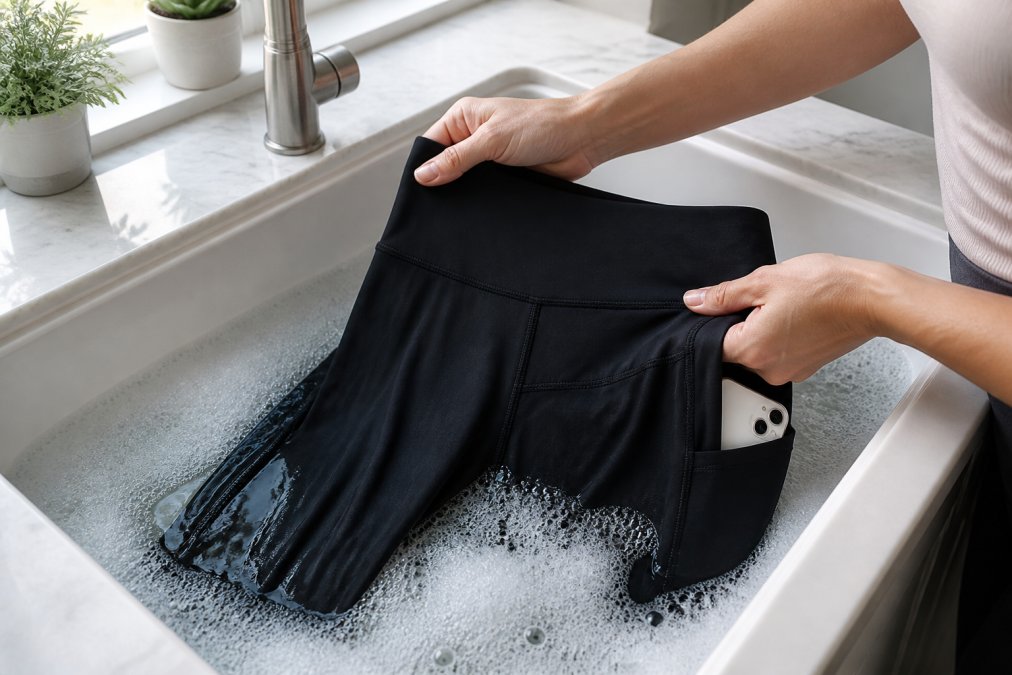
If you use a machine, always turn your leggings inside out before washing. This protects the outer surface from friction damage and reduces pilling. Use a mesh laundry bag to further minimize agitation and protect against snagging.
Detergent Selection for Technical Fabrics
Standard laundry detergent is your enemy. Choose a pH-balanced detergent specifically formulated for technical fabrics or athletic wear. These detergents are gentler on elastane and contain fewer enzymes that break down polymer structures.
Avoid fabric softeners entirely. Fabric softeners coat fibers with chemicals that reduce elasticity and create buildup over time. They're designed to soften natural fabrics like cotton, but they actually harm synthetic fibers. Skip them completely.
Use less detergent than you think you need. A small amount is sufficient for a single pair of leggings. Excess detergent leaves residue that continues to degrade elastane even after drying. When in doubt, use half of what you normally would.
Drying Techniques to Preserve Shape Retention
Never use a tumble dryer. This is the single most important rule for preserving compression leggings. Tumble drying on any heat setting will damage elastane fibers and reduce compression noticeably.
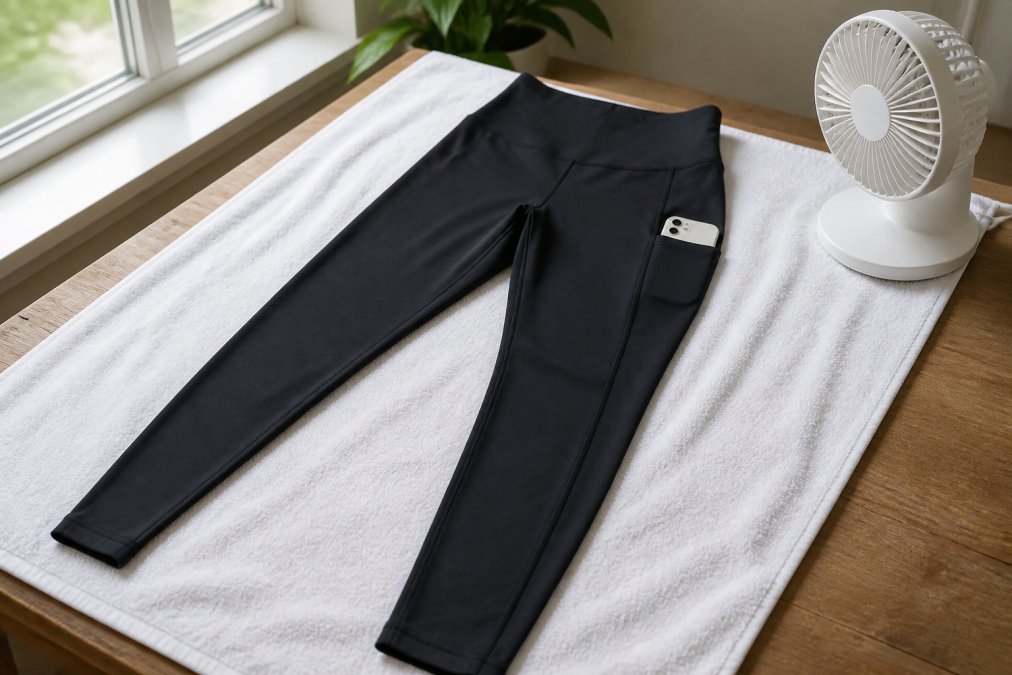
Air drying is the only acceptable method. Lay your leggings flat on a clean, dry surface away from direct sunlight. Direct sunlight can fade colors and contribute to UV-induced polymer breakdown, so choose an indoor location. Flat drying also helps preserve the shape of the garment better than hanging, which can cause stretching in the waistband and leg openings.
Never hang compression leggings to dry. The weight of wet fabric pulling downward stretches the fibers and can permanently distort the fit. Flat drying takes longer, typically 24-48 hours depending on humidity, but it's worth the wait.
If you must speed up drying, use a fan to circulate air around the leggings. This accelerates evaporation without applying heat. Avoid placing them near heating vents, radiators, or direct sunlight.
Signs Compression Leggings Are Worn Out
Knowing when to replace your compression leggings prevents you from wearing garments that no longer provide the support and shaping benefits you're paying for. Several clear indicators signal that your leggings have reached the end of their useful life.

Sagging and Loss of Graduated Compression
The most obvious sign of compression loss is visible sagging around the thighs, waist, and glutes. If your leggings no longer feel snug or supportive, they've lost their compression force. Graduated compression should feel firm and supportive throughout the day, not loose or baggy.
Test the compression by putting on your leggings and assessing how they feel after 30 minutes of wear. New compression leggings should feel noticeably snug and supportive. If they feel loose or you can pinch excess fabric, the elastane has degraded and the leggings are no longer functioning as intended.
Another test is the pinch test. Pinch the fabric at the thigh and see how quickly it returns to its original shape. If it takes more than a second or two to snap back, the elasticity is compromised. Quality compression leggings should snap back almost instantly.
Visible Fabric Degradation and Fiber Fatigue
Pilling, those small balls of fiber that form on the surface, indicates that the fabric structure is breaking down. While pilling doesn't always mean the compression is completely gone, it's a sign that the fibers are fatiguing and the garment is aging.
Holes, tears, or thinning fabric are obvious signs that your leggings have reached the end. Once the fabric is compromised, the compression function is compromised with it. Leggings with visible damage should be retired.
Color fading can also indicate fiber degradation, though it's less directly related to compression loss. If your leggings have faded significantly, the elastane fibers have likely degraded as well. Fading and compression loss often happen together.
How to Restore Elasticity in Leggings
If your compression leggings have started to lose elasticity but aren't completely worn out, several restoration techniques can temporarily improve their performance. These methods won't return them to like-new condition, but they can extend their useful life.
Repair and Restoration Techniques
One method that works for some people is soaking leggings in a mixture of white vinegar and cold water. The acidity of vinegar can help remove detergent buildup and restore some elasticity. Mix one part white vinegar with three parts cold water, submerge your leggings for 30 minutes, then rinse thoroughly with cold water and air dry flat. This won't restore permanently degraded elastane, but it can improve leggings that have lost compression due to detergent residue.
Another approach is to soak leggings in cool water with a small amount of glycerin, which can temporarily improve elasticity. However, this effect is temporary and the leggings will return to their degraded state after a few washes.
These restoration techniques work best on leggings that have lost compression due to detergent buildup or improper washing rather than actual fiber degradation. If your elastane has been permanently damaged by heat or age, no restoration method will fully restore them.
When Restoration Is No Longer Possible
Once elastane fibers have degraded to the point where they no longer snap back, restoration isn't possible. Polymer breakdown is a one-way process, you can't reverse it, only slow it down.
If your leggings have visible holes, extensive pilling, or no longer provide any compression force, it's time to replace them. Continuing to wear degraded compression leggings won't provide the body-shaping or muscle-support benefits you're seeking. You're essentially wearing regular leggings at that point.
The good news is that quality compression leggings from Aero Athletics, when cared for properly, last significantly longer than cheaper alternatives. Investing in premium activewear and maintaining it correctly pays off in durability and sustained performance.
How Often to Wash Compression Gear
The frequency of washing affects how quickly your compression leggings degrade. Finding the right balance between hygiene and preservation is key.
Most fitness enthusiasts can wear compression leggings 2-3 times before washing, especially if they're worn for yoga or low-intensity activities. High-intensity workouts that produce significant sweat warrant washing after each use. The moisture and salt from sweat accelerate elastane degradation if left on the fabric.
If you wear compression leggings for casual everyday use without sweating, you can extend the time between washes to 4-5 wears. However, if there's visible sweat staining or the leggings have absorbed body oils, wash them sooner.
Washing less frequently is always better for elastane preservation. Each wash cycle contributes to fiber degradation, so reducing wash frequency extends the lifespan of your leggings. If you can get 3-4 wears per wash instead of 1-2, you're significantly extending the life of the garment.
Consider having multiple pairs of compression leggings in rotation. This allows you to wear one pair while others dry and rest, reducing the frequency of washing for each individual pair. Rotating between pairs also gives the elastane time to recover between wears, which can improve longevity.
Protecting Your Investment in Quality Activewear
Compression leggings represent a meaningful investment in your fitness and confidence. At Aero Athletics, we understand that quality activewear needs proper care to deliver the performance and shaping benefits you're paying for.
The key to protecting your investment is consistency. Cold water, gentle cycles, pH-balanced detergent, and air drying aren't complicated, they're just different from how you wash regular clothes. Making these practices automatic ensures your compression leggings maintain their elasticity and support for as long as possible.
Start by washing your next pair using the techniques outlined above. You'll notice the difference in how your leggings feel and perform. Once you establish the routine, it becomes second nature, and your leggings will reward you with months of additional wear.
The reality is that do shaping leggings lose compression after washing, but how much compression they lose depends almost entirely on how you care for them. Premium leggings like Aero Athletics' compression line are built with higher-quality elastane that resists degradation better, but even the best materials require proper maintenance. The difference between leggings that last 6 months and leggings that last 2 years is usually just a few simple care practices.

Quality compression leggings require intentional care, but the payoff is clear: leggings that maintain their shaping benefits and support throughout their lifespan. Aero Athletics' compression leggings are engineered with premium elastane and durable technical fabrics designed to withstand proper care routines. Start with a pair that's built to last, follow these washing and drying guidelines, and you'll experience the confidence and muscle support that quality activewear delivers. Select options on our compression leggings today and invest in activewear that performs as hard as you do.
Frequently Asked Questions
Does hot water ruin the compression in leggings?
Yes. Hot water accelerates polymer breakdown in elastane and spandex fibers, causing permanent loss of tensile strength and recovery force. Cold water (below 60°F) is significantly gentler on synthetic fibers and preserves compression longer. Even warm water can speed fabric degradation, so cold washing is the gold standard for compression leggings.
How often should you wash compression leggings?
Wash compression leggings every 2-3 wears if you sweat heavily, or every 3-5 wears for light activity. Frequent washing, even with proper technique, contributes to elasticity loss over time. Airing them out between wears and spot-cleaning visible stains extends their lifespan. More frequent washing means faster degradation of the elastane and spandex fibers responsible for graduated compression.
Can you put shaping leggings in the dryer?
No. Tumble drying generates heat that causes irreversible damage to synthetic fibers, breaking down elastane and spandex at the molecular level. Air drying is the only method that preserves compression and shape retention. Lay leggings flat or hang them in a cool, well-ventilated space away from direct sunlight, which can also degrade the fabric.
How can I restore the compression in my leggings?
Minor elasticity loss can sometimes be reversed by hand-washing in cold water with a pH-balanced detergent and air-drying flat. Some users report temporary improvement by soaking in cool water for 30 minutes before washing. However, once elastane and spandex fibers experience significant polymer breakdown from heat, detergent residue, or repeated washing, restoration is not possible. Prevention through proper care is far more effective than restoration.
This article was written using GrandRanker


