
Table of Contents
- What Recovery Activewear Does and Why It Matters
- How Recovery Clothing Works: Compression Technology and Blood Circulation
- Benefits of Compression Clothing for Athletes
- How to Choose Recovery Activewear: Key Features and Fit
- Infrared Recovery Clothing Benefits and Durability
- Recovery Activewear vs. Regular Gym Clothes: What Sets Them Apart
- Integration With Other Recovery Modalities and Maintenance
- Conclusion
Last Updated: August 18, 2026
What Recovery Activewear Does and Why It Matters
Recovery activewear actively supports your body's physiological recovery between workouts through compression technology and specialized fabrics that accelerate muscle repair, reduce soreness, and enhance blood circulation. Unlike standard activewear, which prioritizes aesthetics and basic moisture-wicking, recovery activewear uses graduated compression and musculoskeletal support to optimize the critical 24-72 hour post-workout window that determines how quickly you recover.
Many athletes invest in premium workout gear but overlook recovery activewear entirely. The compression technology works continuously whether you're resting, running errands, or working, delivering both recovery support and polished appearance.
How Recovery Clothing Works: Compression Technology and Blood Circulation
Compression technology applies precise pressure across muscle groups, with greater compression at the extremities and gradually decreasing pressure toward the core. This pressure gradient enhances venous return, the flow of blood back to the heart, which clears metabolic waste and delivers oxygen-rich blood to tired muscles.
Graduated compression supports your veins' natural one-way valves, reducing the work your circulatory system needs to push blood upward against gravity. This mechanism works through multiple pathways: compression reduces swelling by preventing fluid accumulation, stabilizes muscle fibers to reduce micro-movements that contribute to delayed-onset muscle soreness (DOMS), and enhances blood circulation to accelerate muscle fiber repair.
Muscle Fatigue and Soreness Reduction
Delayed-onset muscle soreness peaks 24-48 hours after intense workouts. Recovery activewear addresses this through two mechanisms: it reduces inflammatory response by supporting proper fluid dynamics, and it stabilizes muscle tissue to minimize micro-damage.
Intense exercise creates micro-tears in muscles, which is normal and necessary for adaptation. The inflammatory response that follows creates soreness and stiffness. Compression activewear moderates this process by maintaining consistent pressure and supporting blood flow, helping your body manage inflammation more efficiently. The stabilization effect keeps muscle fibers in optimal alignment, reducing excessive vibration and oscillation that causes secondary damage.
Tissue Oxygenation and Metabolic Waste Removal
Your muscles produce metabolic byproducts during intense exercise, primarily lactate and hydrogen ions. Enhanced blood circulation from compression technology accelerates clearance of these compounds. Improved venous return means metabolic waste reaches your liver and kidneys more quickly for processing, while increased arterial flow delivers oxygen and glucose to support the energy-intensive repair process.
Benefits of Compression Clothing for Athletes
Compression clothing accelerates recovery, allowing athletes to train harder more frequently. An athlete who recovers in 36 hours instead of 48 hours can complete 25% more high-quality training sessions monthly, compounding into faster adaptation and improved performance.
Joint stability is another critical benefit. Compression garments provide external support to joints and connective tissue, reducing excessive movement and stabilizing muscle attachments, particularly valuable for athletes managing minor joint discomfort or returning from injury.
Wearing compression activewear creates a psychological sense of support and recovery focus that affects effort and long-term training consistency. Because it transitions seamlessly from workout to casual wear, you maintain recovery benefits throughout your day rather than limiting compression to designated recovery time.
How to Choose Recovery Activewear: Key Features and Fit
Selecting the right recovery activewear requires understanding compression levels, fit precision, and fabric characteristics.
Compression Levels and Graduated Support
Compression is measured in millimeters of mercury (mmHg). Recovery activewear typically ranges from 15-20 mmHg (mild) to 30-40 mmHg (firm).
Mild compression (15-20 mmHg) works well for general recovery and daily wear. Moderate compression (20-30 mmHg) targets significant soreness and is ideal for most serious athletes. Firm compression (30-40 mmHg) suits serious athletes or those returning from injury, but requires proper fit to avoid impairing circulation.
Graduated compression means pressure is highest at extremities (ankles, wrists) and decreases toward the core. This gradient creates the venous return effect; garments without proper graduation won't deliver physiological benefits.
Sizing and Fit Accuracy for Different Body Types
Compression garment sizing isn't approximate. If too loose, they won't create the necessary pressure gradient; if too tight, they'll restrict blood flow and create discomfort.
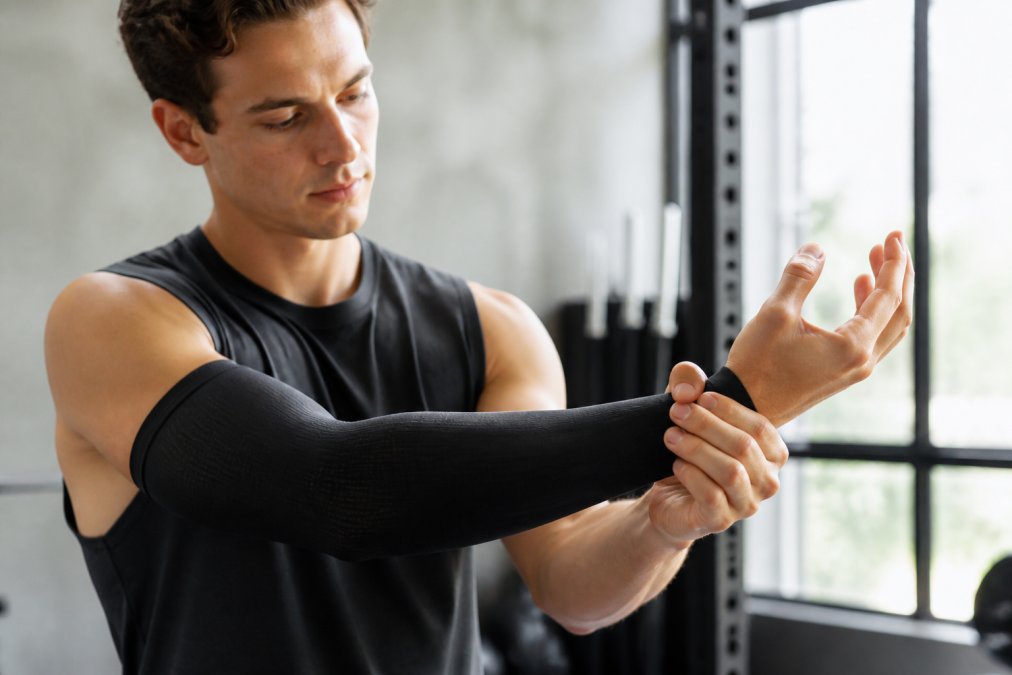
Measure yourself according to manufacturer guidelines, typically based on limb circumference and length. Compression sleeves, for example, are sized by measuring arm circumference at the widest bicep point and arm length from shoulder to wrist. Individuals with larger muscle mass should size up; those with leaner builds should follow standard sizing.

When first wearing compression activewear, you should feel firm, even pressure without skin bulging or excessive tightness. You should move freely without pain or numbness.
Moisture-Wicking and Breathability Standards
Recovery activewear must manage sweat during wear while maintaining breathability for extended use. Modern recovery fabrics use synthetic blends, typically nylon, spandex, and polyester, that wick moisture while allowing air circulation.
Look for fabrics that dry quickly and don't retain odor. Some premium recovery activewear incorporates antimicrobial treatments that prevent bacterial growth. The best recovery activewear balances compression integrity with breathability, avoiding the uncomfortable, clammy garments that sacrifice breathability for compression.
Infrared Recovery Clothing Benefits and Durability
Infrared recovery clothing incorporates far-infrared technology that emits radiation penetrating approximately 1.5 inches into tissue, enhancing blood flow and reducing inflammation more effectively than standard compression alone. Infrared treatments are embedded in fiber structure and don't wash out, but repeated washing, high heat, and chlorine exposure can degrade both the infrared treatment and compression integrity.
Premium recovery activewear maintains 85-90% compression effectiveness after 50 washes with proper care. Standard machine washing and hot drying reduces this to 60-70% after 30 washes. Hand washing or delicate cycles and air drying protect your investment and maintain therapeutic benefits.
Infrared recovery clothing typically costs more than standard compression activewear, but enhanced recovery benefits justify the investment for serious athletes.
Recovery Activewear vs. Regular Gym Clothes: What Sets Them Apart
Recovery activewear is intentionally designed for recovery, while regular gym clothes prioritize breathability and freedom of movement during exercise.
| Feature | Recovery Activewear | Regular Gym Clothes |
|---|---|---|
| Compression Technology | Graduated, 15-40 mmHg | None |
| Primary Function | Post-workout recovery | Exercise performance |
| Wear Duration | 4-24+ hours post-workout | During exercise only |
| Blood Flow Support | Enhanced venous return | Standard circulation |
| Muscle Stabilization | High, reduces micro-movement | Minimal |
| Breathability | Balanced with compression | Maximum |
| Durability Focus | Maintains compression through washes | Maintains stretch and moisture-wicking |
| Price Range | $40-150+ per piece | $30-80 per piece |
Regular gym clothes offer no compression, graduated support, or specific recovery benefits. Wearing them post-workout means missing the recovery window entirely. Tight regular gym clothes without graduated compression can actually impair circulation. Proper recovery activewear uses precise engineering to create the exact pressure gradient needed for physiological benefits.
Integration With Other Recovery Modalities and Maintenance
Recovery activewear works best as part of comprehensive recovery strategy combining compression activewear with massage, stretching, proper nutrition, adequate sleep, and strategic active recovery days.
Pairing Activewear With Massage and Stretching Tools
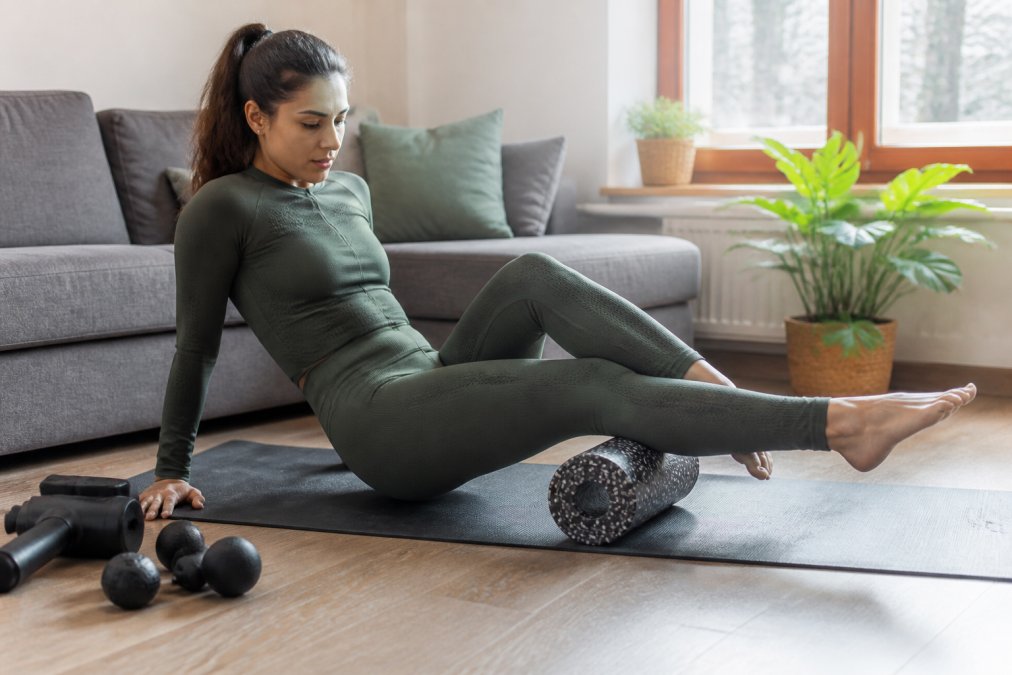
Use massage tools immediately post-workout before putting on compression activewear to address acute inflammation first, then maintain benefits through compression support. Static stretching post-workout combined with compression activewear accelerates recovery by maintaining the elongated muscle state created by stretching. Stretch for 10-15 minutes post-workout, then transition to compression activewear for extended recovery support.
The recovery toolkit at Aero Athletics includes massage and stretching equipment designed to work alongside compression activewear. The Cordless Roller Body Massage ($78.19) provides percussive relief that complements compression support, while the Sports Knee Brace with Side Spring Stabilizers ($26.34) offers targeted joint support that works synergistically with compression sleeves.

Caring for Compression Fabrics to Extend Garment Life
Hand wash in cool water using mild detergent. Machine washing degrades compression fabrics faster than hand washing. Never use fabric softener, bleach, or harsh chemicals, which break down elastic fibers. Rinse thoroughly in cool water until all detergent is removed.
Air dry completely. Heat from dryers degrades elastic fibers and can damage infrared treatments. Lay garments flat or hang them in well-ventilated areas away from direct sunlight. Store in cool, dry places and avoid tight folding.
Proper maintenance maintains compression effectiveness at 85-90% after 50 washes, transforming your recovery activewear from a 6-month investment into a 2-3 year investment.
Recovery activewear is a strategic investment in your recovery capacity. When you combine compression technology, graduated support, and consistent wear with comprehensive recovery approach, you accelerate adaptation and improve readiness for subsequent training. Aero Athletics recovery activewear combines premium compression fabric, infrared technology, and stylish design that transitions from intense workouts to everyday wear. Start with compression sleeves or a compression top, assess how your body responds, then expand your collection based on specific recovery needs. The Sports Knee Brace with Side Spring Stabilizers and other targeted recovery tools from Aero Athletics complete your recovery strategy.
Frequently Asked Questions
Does recovery activewear actually work for muscle soreness?
Yes. Recovery activewear reduces DOMS (Delayed Onset Muscle Soreness) by improving blood circulation and supporting tissue repair. Compression technology enhances vascular health and helps remove metabolic waste like lactic acid faster. Results vary by individual and garment quality, but clinical efficacy studies show measurable reduction in soreness when worn during and after workouts. Consistency matters, wear recovery activewear during your workout and for 2-4 hours post-exercise for best results.
What is the difference between compression gear and recovery activewear?
Compression gear applies uniform pressure to enhance blood flow. Recovery activewear combines compression technology with ergonomic design, moisture-wicking fabrics, and therapeutic benefits tailored for post-workout recovery. Recovery activewear is engineered for both performance and recovery, often featuring graduated compression levels, joint stability support, and breathability for extended wear. Compression is the mechanism; recovery activewear is the complete system.
How should recovery activewear fit to be effective?
Proper fit is critical. Recovery activewear should feel snug but not restrictive, you should be able to move freely and breathe comfortably. It should conform to your body without bunching, rolling, or creating pressure points. Graduated compression should feel firmer at the extremities and lighter toward the torso. Incorrect sizing reduces effectiveness. Take accurate measurements of your limbs and torso, and always check size charts specific to your body type before buying.
Can you wear recovery activewear all day?
Yes, but strategically. Wear recovery activewear during workouts and for 2-4 hours post-exercise for maximum benefit. Extended all-day wear (8+ hours) can reduce comfort and breathability. If you choose all-day wear, select pieces with premium moisture-wicking and breathable fabrics to prevent skin irritation. Some athletes wear lighter compression layers under casual clothes for continuous recovery support. Listen to your body, if it feels uncomfortable, reduce wearing time.
What features should I look for in high-performance recovery clothing?
Prioritize compression technology proven to enhance blood circulation, graduated compression levels that support muscle groups, moisture-wicking fabrics that manage sweat, and ergonomic design that supports joint stability. Check for breathability standards, anti-slip construction, and durable seams that withstand repeated washing. Verify that compression fabrics maintain their elasticity after 20+ wash cycles. Consider infrared technology if you want added therapeutic benefits. Look for sizing options that fit different body types accurately.
How does infrared recovery clothing enhance muscle recovery compared to standard compression wear?
Infrared recovery garments emit far-infrared wavelengths that penetrate tissue, increasing localized blood flow and tissue oxygenation beyond standard compression alone. This technology accelerates metabolic waste removal and supports tissue repair at a deeper level. While standard compression improves surface circulation, infrared technology targets musculoskeletal support more comprehensively. Clinical efficacy studies show infrared fabrics reduce recovery time by 15-20% compared to passive compression. Infrared garments cost more but deliver measurable performance optimization for serious athletes.
Will compression activewear actually replace my massage appointments?
Recovery activewear complements but does not replace professional massage. Compression garments improve blood flow and reduce soreness, but massage addresses specific muscle tension and trigger points that passive compression cannot. Integrate both: wear recovery activewear during and after workouts, then use massage tools like foam rollers or percussion massagers for targeted relief. This combination accelerates recovery speed and improves overall performance optimization far better than either method alone.
This article was written using GrandRanker


