
Table of Contents
- Why Athletes Look Beyond Yoga for Recovery
- Best Compression Leggings for Recovery
- Benefits of Post-Workout Compression Wear
- How to Choose Recovery Activewear
- Massage and Percussion Tools for Active Recovery
- Low-Impact Movement and Mobility Training
- Building Your Complete Recovery Protocol
Last Updated: August 19, 2026
Why Athletes Look Beyond Yoga for Recovery
Yoga excels at mobility and stress reduction, but doesn't fully address post-workout needs like muscle fatigue, inflammation, and tissue damage. Compression wear, percussion therapy, and strategic low-impact movement fill these gaps. An athlete finishing an intense leg day needs immediate blood flow enhancement, compression leggings deliver this within minutes. Someone recovering from a knee injury needs stabilization better provided by a quality brace than any yoga pose.
Recovery isn't one-size-all. A 52-year-old returning to fitness has entirely different recovery needs than a competitive marathon runner. Yoga works as part of a broader protocol, but shouldn't be the entire strategy.
At Aero Athletics, we've built our recovery equipment line around this principle, combining massage tools and supportive gear to create comprehensive recovery alternatives that work alongside (or sometimes instead of) traditional yoga practice.
Best Compression Leggings for Recovery
Compression leggings work immediately and passively. Unlike yoga, which requires active participation, compression garments enhance blood circulation the moment you put them on. Graduated compression applies pressure strongest at the ankle and gradually decreases toward the hip, mimicking the muscle pump action during exercise. Athletes report reduced soreness 24-48 hours post-workout when wearing quality compression leggings.
What separates effective compression leggings from mediocre ones is material quality and compression rating. Premium options maintain their compression gradient through dozens of wash cycles. Look for leggings made from nylon-spandex blends (typically 75-85% nylon, 15-25% spandex) that include moisture-wicking technology.
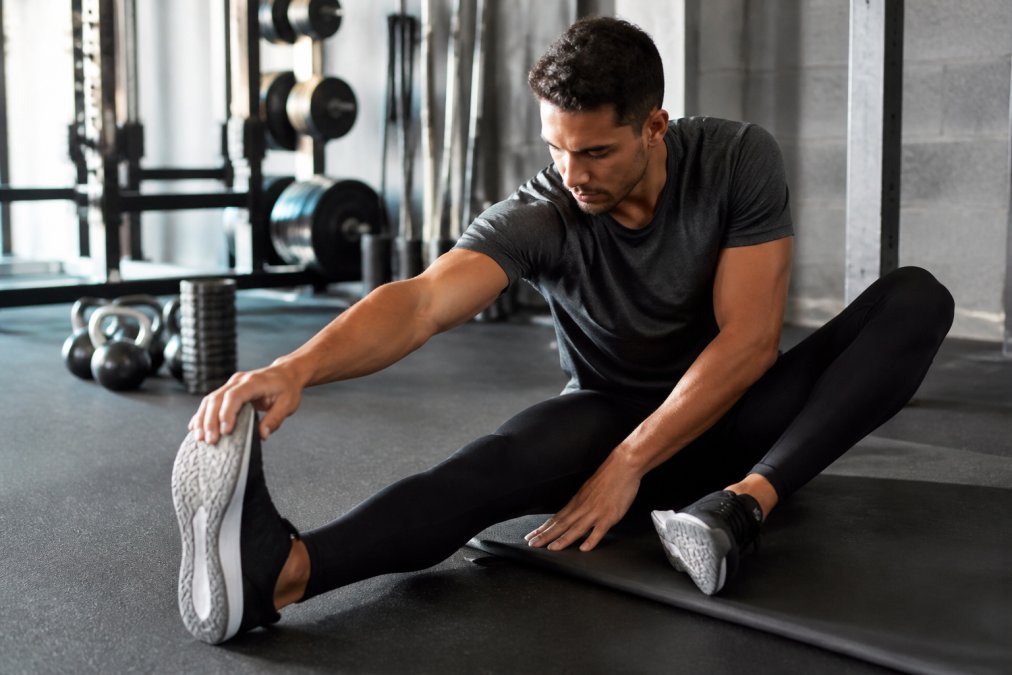
Consider compression rating when choosing. Mild compression (15-20 mmHg) works for general recovery and daily wear. Moderate compression (20-30 mmHg) targets active recovery and post-workout soreness. Firm compression (30-40 mmHg) addresses medical concerns and serious athletic recovery. For most fitness enthusiasts, moderate compression delivers the best balance of effectiveness and wearability.
Benefits of Post-Workout Compression Wear
Enhanced blood circulation is the primary mechanism. Compression garments push blood back toward the heart more efficiently, delivering oxygen-rich blood to fatigued muscles faster and clearing metabolic waste like lactic acid more quickly. The result: reduced delayed-onset muscle soreness (DOMS) and faster return to training intensity.
Reduced inflammation follows from improved circulation. Compression wear moderates inflammatory response by maintaining steady blood flow and preventing pooling of inflammatory markers in damaged tissue.
Improved proprioception and body awareness comes from the tactile feedback compression provides. Your nervous system receives constant input about muscle position and tension, enhancing stability and coordination, particularly valuable for athletes recovering from joint injuries.
Psychological benefit shouldn't be underestimated. Wearing compression gear creates a tangible recovery ritual that builds confidence and consistency.
Extended performance windows occur when athletes wear compression during and after training. Some research suggests compression during intense exercise can delay fatigue onset, while post-workout compression accelerates recovery between sessions.
The practical outcome: compression wear reduces the 48-72 hour soreness window to 24-36 hours for most athletes, enabling faster training frequency and better long-term progress.
How to Choose Recovery Activewear
Step 1: Identify your primary recovery need. General soreness calls for moderate compression leggings or sleeves. Joint issues require specialized braces with stabilizing support. Chronic tightness benefits from compression combined with targeted massage tools.
Step 2: Assess your training frequency and intensity. Athletes training 5+ days per week benefit most from premium compression wear. Casual gym-goers training 2-3 times weekly can manage with mid-range options.
Step 3: Evaluate material and durability. Check the nylon-spandex ratio and moisture-wicking technology. Quality options maintain compression for 50+ washes versus 10-15 for cheap leggings. The cost-per-wear calculation often favors premium options.
Step 4: Consider your lifestyle integration. Recovery gear that doubles as casual wear gets used more consistently. Aero Athletics designs recovery activewear that transitions seamlessly from post-workout to daily errands, providing recovery benefits throughout your day.
Step 5: Test the fit and comfort. Compression garments should feel snug but not restrictive. You should move naturally without constant adjusting.
| Decision Factor | What to Look For | Why It Matters |
|---|---|---|
| Compression Level | 20-30 mmHg for most athletes | Too light = no benefit; too firm = circulation restriction |
| Material Quality | 75%+ nylon, 15%+ spandex | Maintains compression through repeated washing |
| Moisture-Wicking | Yes, essential | Prevents sweat pooling and skin irritation |
| Lifestyle Fit | Works for casual wear | Increases daily wear time = better recovery |
| Durability Rating | 50+ wash cycles | Cost-per-wear favors premium options |
Massage and Percussion Tools for Active Recovery
Massage and percussion tools actively manipulate muscle tissue to break up adhesions, improve blood flow, and reduce tension. Where compression works passively, these tools require active engagement.
Foam rollers use body weight to apply sustained pressure to muscle groups, but require effort and proper technique. Percussion massage tools solve this through motorized vibration. The Cordless Roller Body Massage from Aero Athletics delivers 360-degree rolling with five speed levels, allowing customization based on target muscle group and soreness level. With a 1800mAh battery providing 3-5 hours of runtime, you can use it daily without cord management.


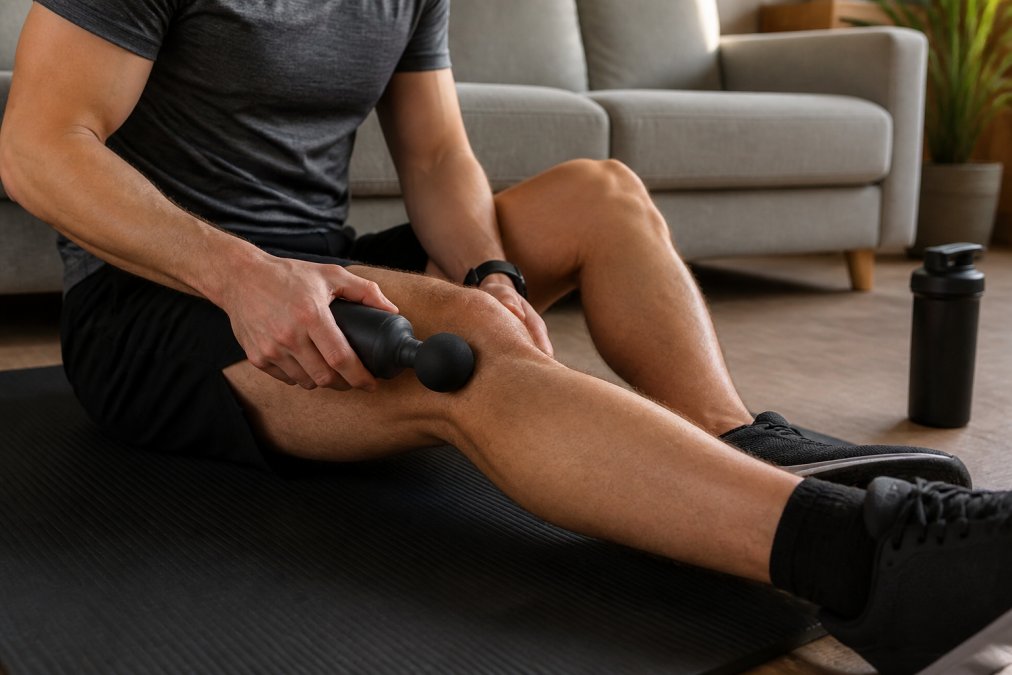
Percussion tools require minimal effort, making consistent use more likely. Athletes using percussion tools 3-4 times weekly report faster soreness recovery and better range of motion improvement than those relying on yoga alone.
EMS (electrical muscle stimulation) devices like the Abdominal Toning Belt EMS Muscle Stimulator use electrical impulses to contract muscles without requiring voluntary movement. This is particularly valuable for athletes recovering from injuries that limit movement. The belt features eight modes and 29 intensity levels for precise customization.

Combine percussion tools with compression wear: use compression leggings during the day for passive recovery, then apply percussion massage in the evening for active recovery work. This dual approach accelerates the entire process.
Low-Impact Movement and Mobility Training
Low-impact movement and mobility training form the foundation of any serious recovery protocol. Unlike high-intensity exercise that creates new muscle damage, low-impact movement enhances blood flow and improves range of motion without adding training stress.
Yoga provides some benefits, but is often too static for optimal recovery. Mobility training, active, controlled movement through full range of motion, delivers both flexibility and functional strength. A post-workout mobility session might include leg swings to activate hip stabilizers, arm circles for shoulder mobility, and glute bridges to activate posterior chain muscles.
Athletes who dedicate 10-15 minutes daily to structured mobility training experience fewer injuries and faster recovery between hard training blocks. This is the difference between passive stretching and active movement.
The practical protocol: perform 10 minutes of dynamic mobility work on rest days, and 5-10 minutes of mobility drills immediately after intense training sessions.
Building Your Complete Recovery Protocol
The most effective recovery strategy combines multiple approaches into a systematic protocol addressing different aspects of recovery simultaneously.
Immediate post-workout (0-30 minutes): Apply compression wear while you cool down. Add 5-10 minutes of light mobility work, walking, easy stretching, joint rotations.
Evening recovery window (4-8 hours post-workout): Use percussion massage tools for 10-15 minutes, targeting trained muscle groups. Follow with 10 minutes of mobility work or gentle stretching. Wear compression leggings during dinner, work, or relaxation.
Next-day active recovery: Perform 15-20 minutes of low-impact movement, walking, swimming, easy cycling, or dedicated mobility work. Compression wear during this session enhances blood flow and reduces soreness.
Rest days (48+ hours post-hard training): Focus on mobility training and light stretching. Use compression tools if soreness persists.
According to research on active recovery protocols from the American College of Sports Medicine, athletes who combine multiple recovery modalities experience 30-40% faster soreness resolution compared to those using single approaches.
Start with compression wear as your foundation, it's passive, requires no effort, and works immediately. Add percussion tools as your active recovery component. Layer in mobility training for functional improvement. This three-part system addresses recovery comprehensively and delivers measurable results within 2-3 weeks.
Your recovery tools should fit into your actual life, not require schedule restructuring. Compression leggings that work as casual wear get worn consistently. Percussion tools that charge via USB integrate easily into your routine. Mobility work that takes 10 minutes fits between other activities.
Building a complete recovery protocol doesn't mean abandoning yoga, it means recognizing yoga as one component of a larger system. When you layer compression wear, percussion therapy, and strategic mobility work around your training, you create a recovery environment that accelerates adaptation and reduces injury risk. Aero Athletics compression leggings and recovery tools provide the foundation for this integrated approach, delivering both passive recovery benefits of compression and active recovery support of targeted massage technology. Start with compression wear during daily activities, add percussion tools for active recovery sessions, and watch your soreness timeline compress dramatically.
Frequently Asked Questions
What makes activewear good for muscle recovery?
Recovery activewear combines compression technology with breathable, moisture-wicking fabrics to reduce muscle soreness and support blood flow. Compression garments apply graduated pressure that helps flush metabolic waste from muscles post-workout. Quality recovery activewear also features anti-slip panels and ergonomic designs that stay in place during movement, ensuring consistent support throughout your day. The fabric itself matters: materials that wick sweat prevent skin irritation and allow your body to regulate temperature, which is essential for optimal recovery.
How does compression gear help with post-workout recovery?
Compression wear applies targeted pressure to muscles, which enhances blood circulation and reduces inflammation after intense exercise. This accelerates the removal of lactic acid and other metabolic byproducts that cause soreness. Studies show that wearing compression garments for 24 hours post-workout can reduce delayed-onset muscle soreness (DOMS) by up to 50%. The graduated compression also stabilizes muscles and connective tissues, reducing micro-damage and supporting faster tissue repair. Many athletes pair compression leggings with other recovery modalities like massage tools for enhanced results.
What fabric features should I look for in recovery clothing?
Look for high-elasticity fabrics with at least 15-20% spandex content to ensure the garment maintains compression through multiple washes. Moisture-wicking materials like nylon blends pull sweat away from skin, preventing chafing and bacterial growth. Anti-slip silicone strips at the edges prevent the garment from rolling or bunching during wear. Breathability is crucial: 3D knit technology or mesh panels allow airflow without sacrificing compression. Finally, check for flatlock seams rather than traditional stitching, which reduces irritation during extended wear. Durability matters too, quality recovery wear should retain its compression properties after 50+ washes.
Are there cheaper alternatives to Beyond Yoga that offer similar compression?
Yes. Aero Athletics offers compression activewear at competitive price points without compromising on quality. Their pieces deliver the same evidence-based compression benefits as premium brands, with body-shaping features and recovery-focused designs. You can also combine affordable compression basics with targeted recovery tools: a quality knee brace ($26-$165) paired with compression leggings often costs less than a single premium brand outfit while delivering superior results. The key is choosing garments with proper compression ratings (15-20 mmHg for moderate support) and breathable fabrics, which many budget-friendly options now offer.
This article was written using GrandRanker


